Completed Work - SG Engineering
Main menu:
Completed Work
At our workshop in Ipswich we carry out all forms of general metal fabrication. It's the process of building metal structures, components, and machinery through cutting, bending, joining, and finishing raw metal stock. Unlike specialized machining or precision manufacturing alone, general fabrication typically involves taking standard mill forms—such as sheet metal, structural beams, tubing, bars, and plates—and converting them into finished products or assemblies.
The Metal Fabrication Process
The fabrication workflow generally follows a multi-
Cutting & Shaping:
Thermal/Laser Cutting: Fiber laser, plasma, and oxy-
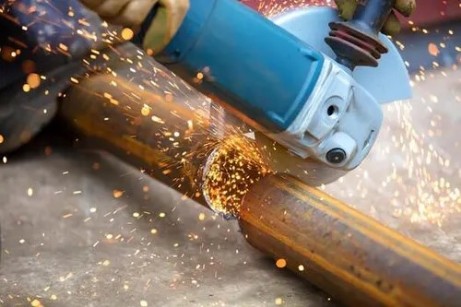
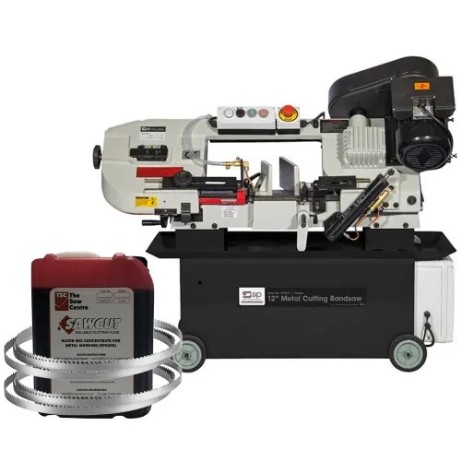
Mechanical Cutting:
Waterjet Cutting: Uses high-
Forming & Bending:
Press Brakes: Use hydraulic or electric rams to bend sheet metal and plate at precise angles.
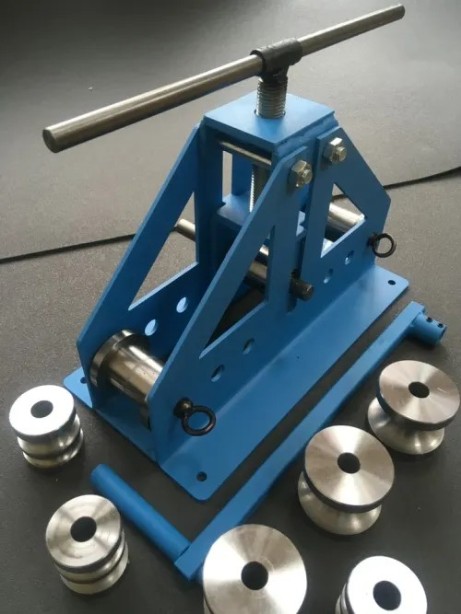
Section & Tube Bending: Rollers and mandrels curve pipes, tubes, and structural steel sections (e.g., box sections, RSJs).
Joining & Assembly:
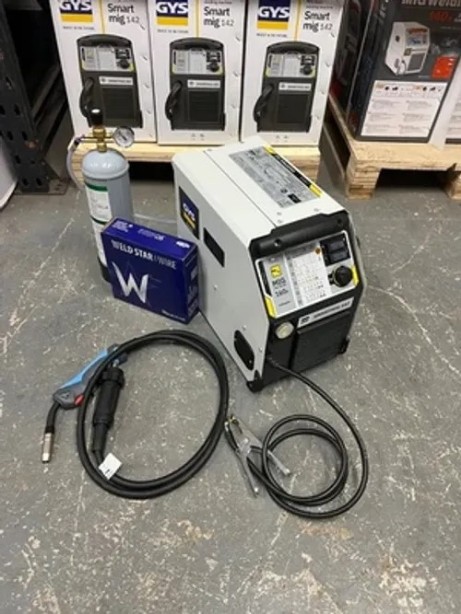
Welding: Processes like TIG (GTAW), MIG (GMAW), and Stick (SMAW) fuse metal components together.
Mechanical Fastening: Using rivets, bolts, nuts, and self-
Finishing & Surface Treatment:
Surface Preparation: Grinding, deburring, and shot/sandblasting remove sharp edges, mill scale, and weld splatter.
Protective Coatings: Applying powder coating, wet paint, hot-
Common Raw Materials
Carbon Steel:
Stainless Steel:
Aluminum:
Copper & Brass:
Key Applications & Industries
Construction & Architecture: Structural steel beams, staircases, balustrades, gates, canopy frames, and HVAC ductwork.
Industrial & Manufacturing: Machine guards, conveyor systems, hoppers, pressure vessels, and material handling racks.
Automotive & Transportation: Vehicle chassis components, trailers, customized truck bodies, and brackets.
Commercial & Retail: Shopfront fixtures, custom shelving, display units, and metal furniture.